lena gieseke represents a fascinating intersection of visual art, filmmaking, animation, and digital creativity. Although her name is sometimes encountered through her connection to the entertainment world, her professional identity is better understood through the creative disciplines she has developed across her career. As a German artist and filmmaker, Gieseke has worked in areas where traditional artistic techniques meet emerging digital technologies. Consequently, her story offers an interesting look at how contemporary artists can move between mediums without being defined by only one of them.
An Artist Shaped by Multiple Creative Disciplines
One of the most compelling aspects of lena gieseke is the range of disciplines associated with her career. Rather than following a single, conventional artistic path, she has explored visual expression through painting, photography, animation, and digital media. This multidisciplinary approach is particularly relevant in an era when the boundaries between fine art, cinema, design, and technology have become increasingly fluid.
Moreover, working across different mediums requires more than technical ability. It demands curiosity, adaptability, and an understanding of how audiences experience images. Gieseke’s career illustrates how an artist can use different tools while maintaining a recognizable interest in visual storytelling.
Understanding Lena Gieseke Beyond Celebrity Connections
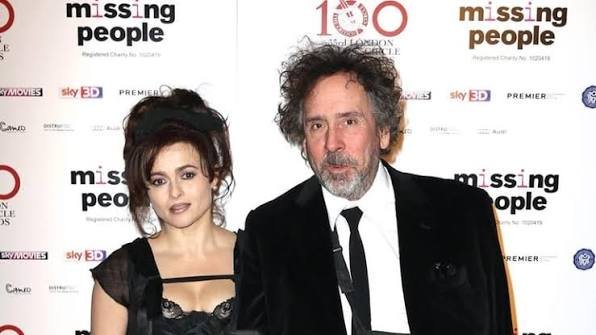
Public curiosity about lena gieseke has often been influenced by her former marriage to filmmaker and actor Tim Burton. However, reducing her identity to that relationship overlooks the broader creative work associated with her own professional life.
| Name | Profession / Creative Field | Known For |
|---|---|---|
| Lena Gieseke | Artist, filmmaker, animator | Visual art, animation, digital creativity |
| Tim Burton | Filmmaker, screenwriter, artist | Distinctive films and gothic visual style |
| Gieseke’s creative world | Multidisciplinary visual culture | Combining traditional and digital approaches |
Her association with Burton may have introduced her name to wider audiences, but her artistic interests exist independently of that chapter. Therefore, examining her career through her creative work provides a more balanced and meaningful perspective.
The Importance of Digital Art in Her Career
Digital technology has transformed the possibilities available to contemporary artists. For lena gieseke, digital techniques became an important part of an artistic vocabulary that could extend beyond traditional canvases and physical materials.
Furthermore, digital art allows artists to manipulate space, movement, texture, and perspective in ways that conventional techniques cannot always achieve. Animation adds another dimension because an image can evolve over time rather than remaining static. This makes digital work especially valuable for artists interested in storytelling and visual experimentation.
Animation as a Bridge Between Art and Storytelling
Animation occupies an unusual position within the creative world. It can function simultaneously as fine art, filmmaking, design, and entertainment. That versatility makes it particularly suitable for artists with multidisciplinary interests.

In the case of lena gieseke, animation and digital imagery demonstrate how artistic ideas can be transformed into moving visual experiences. Instead of simply presenting an object or composition, animation can create atmosphere, rhythm, transformation, and narrative. As a result, the medium provides opportunities for experimentation that appeal to artists who enjoy combining technology with imagination.
A Career Reflecting the Changing Art World
The career of lena gieseke also reflects a broader transformation in the cultural landscape. Historically, artists were often categorized according to a single medium: painter, sculptor, photographer, or filmmaker. Today, those categories are much less rigid.
For example, an artist might create a painting, develop a digital animation, contribute to a film project, and experiment with computer-generated imagery. Consequently, multidisciplinary careers are becoming increasingly recognizable within contemporary culture. Gieseke’s professional trajectory fits naturally within this wider movement.
The Human Side of a Multidisciplinary Artist
Behind the technical vocabulary of animation and digital art is a more personal question: what motivates an artist to move between mediums? Creative curiosity is often part of the answer. Different artistic tools provide different ways of seeing and communicating.
In addition, multidisciplinary work can encourage an artist to keep learning. Painting requires attention to composition and texture, while animation introduces movement and timing. Digital production, meanwhile, brings its own technical challenges. Moving between these worlds can therefore broaden an artist’s understanding of visual communication.
Why Lena Gieseke Continues to Attract Interest
Interest in lena gieseke is not simply a product of internet searches or celebrity history. Her story touches several subjects that remain relevant today: artistic independence, digital creativity, changing definitions of authorship, and the relationship between private life and public identity.
At the same time, her career demonstrates why public figures connected to famous personalities deserve to be considered in their own right. A person’s professional identity can easily become overshadowed by a well-known relationship, yet creative work frequently tells a much richer story.
The Cultural Significance of Her Creative Approach
The most interesting lesson from Gieseke’s career may be the value of crossing boundaries. Contemporary culture increasingly rewards people who can combine artistic sensitivity with technological understanding. Consequently, artists who operate between traditional and digital spaces can contribute to a broader conversation about what art means in the modern era.
Rather than treating technology as the opposite of traditional creativity, her work can be viewed within a more integrated perspective. Digital tools are simply another means through which artists explore ideas, emotions, environments, and stories.
FAQs About Lena Gieseke
Who is Lena Gieseke?
Lena Gieseke is a German artist and filmmaker associated with visual art, animation, photography, and digital creative work. She has attracted public attention both for her professional activities and her former marriage to filmmaker Tim Burton.
What is Lena Gieseke known for?
She is primarily associated with multidisciplinary visual creativity, particularly artistic and digital work involving imagery and animation. Her career demonstrates an interest in combining different creative techniques.
Was Lena Gieseke married to Tim Burton?
Yes. Gieseke was married to Tim Burton in the late 1980s, before the relationship ended in divorce. However, her own artistic career should be considered separately from that relationship.
Why is her work culturally interesting?
Her career reflects the growing overlap between fine art, filmmaking, animation, photography, and digital technology. This makes her an interesting example of the modern multidisciplinary artist.
Conclusion
Ultimately, lena gieseke offers more than a celebrity-adjacent story. Her career provides a window into the evolving relationship between art and technology, while her multidisciplinary approach demonstrates how contemporary creativity can move beyond traditional categories. Although public attention may sometimes focus on her personal connection to Tim Burton, her artistic identity deserves consideration on its own terms.
Most importantly, her story reminds us that creative careers rarely follow perfectly straight lines. Artists experiment, adapt, learn new technologies, and discover new ways to communicate. In that sense, Gieseke’s journey reflects a larger cultural shift—one in which imagination and technology increasingly work together to redefine the possibilities of visual expression.