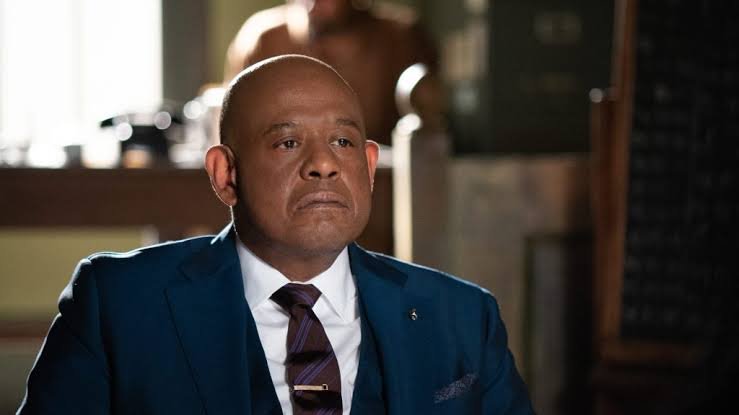
Introduction: Forest Whitaker and Bob Chapek
Forest Whitaker and Bob Chapek represent two distinct sides of the entertainment industry, where creative storytelling and corporate leadership influence how audiences experience films, television, and popular culture. Whitaker is celebrated for his powerful acting performances and contributions to filmmaking, whereas Chapek is known for his former leadership role at The Walt Disney Company. Although their professional paths differ, examining their careers offers an interesting perspective on the relationship between artistic expression, business strategy, and the evolving entertainment landscape.
Who Are Forest Whitaker and Bob Chapek?
Understanding their backgrounds provides a foundation for exploring their professional achievements. While Whitaker developed his reputation through performances and creative projects, Chapek advanced through business management and leadership positions. Their experiences demonstrate that entertainment depends on a variety of skills, from interpreting complex characters to managing international operations.
| Name | Professional background | Recognized for |
|---|---|---|
| Forest Whitaker | Actor, director, producer, and humanitarian | Academy Award-winning performance in The Last King of Scotland |
| Bob Chapek | Business executive | Serving as Disney’s chief executive officer from 2020 to 2022 |
Despite their different responsibilities, both figures are associated with an industry that reaches millions of people and influences conversations about culture, creativity, and business.
Forest Whitaker’s Career and His Impact on Cinema
Forest Whitaker has established himself as a versatile performer through roles that explore complicated personalities, historical circumstances, and human relationships. Rather than remaining within a single genre, he has appeared in dramas, thrillers, and character-focused films. Consequently, his career demonstrates how an actor can build a lasting reputation through adaptability and thoughtful performances.
One of his most significant achievements was his portrayal of Ugandan leader Idi Amin in The Last King of Scotland. His performance earned him the Academy Award for Best Actor and brought widespread international recognition. Moreover, his appearances in Bird, Ghost Dog: The Way of the Samurai, and The Butler illustrate his ability to work across different cinematic styles.
Beyond acting, Whitaker has also worked as a director and producer. These roles have allowed him to contribute to storytelling from different perspectives. Additionally, his humanitarian activities demonstrate an interest in social issues beyond the film industry. Through these varied contributions, he has developed a public identity connected with both creative achievement and broader cultural engagement.
Bob Chapek’s Journey Through Corporate Leadership
Bob Chapek followed a different professional route, building experience in business management before becoming one of Disney’s most prominent executives. He joined the company in 1993 and subsequently held leadership positions involving home entertainment, consumer products, distribution, and theme parks.
These responsibilities gave Chapek experience across several areas of a large entertainment organization. As a result, he became familiar with the commercial systems that connect films, merchandise, attractions, and consumer experiences.
In February 2020, Chapek became Disney’s chief executive officer. However, his appointment coincided with the COVID-19 pandemic, which created extraordinary challenges for the entertainment industry. Theme parks faced closures, film productions were disrupted, and theatrical releases encountered significant uncertainty.
During this period, digital distribution and streaming became increasingly important to entertainment companies. Consequently, Disney faced difficult questions about operating its businesses while responding to rapidly changing audience habits.
Chapek’s tenure ended in November 2022, when Bob Iger returned as CEO. This transition became a notable moment in Disney’s leadership history, illustrating the pressures that can accompany the management of a major international company.

Different Careers, Shared Industry Challenges
The professional experiences of Forest Whitaker and Bob Chapek demonstrate that entertainment requires both creative talent and organizational planning. Whitaker’s work focuses primarily on portraying characters, communicating emotions, and contributing to stories that audiences can interpret in different ways. Chapek’s former executive responsibilities involved managing operations and making decisions affecting how entertainment products reached consumers.
Nevertheless, these areas are closely connected. A film may begin with a compelling script, but its production and distribution require financing, coordination, marketing, and access to audiences. Similarly, business strategies depend on creative projects that attract public attention and establish meaningful connections with viewers.
Therefore, the relationship between creativity and commerce is essential to understanding the industry. Although the responsibilities differ, both artistic contributions and effective management influence the entertainment experiences available to audiences.
How Their Careers Reflect Changes in Modern Entertainment
The entertainment industry has experienced major changes through streaming platforms, digital distribution, and expanding international audiences. Today, viewers can discover films and television programs through cinemas, subscription services, television networks, and online platforms. Consequently, entertainment professionals must adapt to changing technologies and expectations.
Whitaker’s career reflects the continuing importance of compelling storytelling. Even as viewing habits evolve, audiences remain interested in performances that explore human relationships, historical events, and moral questions. His work demonstrates how an actor can contribute to cultural discussions by bringing complex characters to life.
Meanwhile, Chapek’s executive experience highlights the business challenges associated with technological change. Large entertainment companies must consider operating costs, customer preferences, competition, and new distribution models. Moreover, unexpected global events can quickly transform established business plans.
Ultimately, the industry’s development depends on its ability to balance creative ambition with practical realities. Strong stories need opportunities to reach audiences, while sustainable businesses need creative work that people find valuable.
The Cultural Significance of Their Professional Contributions
Entertainment influences more than leisure and recreation. Films and television programs can introduce audiences to unfamiliar historical periods, encourage discussions about social issues, and create shared cultural experiences.
Through his performances, Whitaker has helped present characters whose lives and decisions invite reflection. His work illustrates how cinema can communicate complicated ideas through individual stories. Furthermore, performances that explore historical figures can encourage viewers to consider the relationship between personal behaviour and wider social circumstances.
Chapek’s career provides a different perspective on this cultural environment. His former position placed him within an organization responsible for producing and distributing entertainment on a global scale. Decisions made by such companies can influence which projects receive investment and how audiences access content.
Although their contributions operate at different levels, these careers demonstrate the many factors involved in shaping popular culture. Creative professionals develop stories, while business organizations establish systems that help those stories reach the public.
Frequently Asked Questions
What is Forest Whitaker best known for?
Forest Whitaker is best known internationally for his Academy Award-winning portrayal of Idi Amin in The Last King of Scotland. He has also appeared in numerous films and television productions throughout his career.
What position did Bob Chapek hold at Disney?
Bob Chapek served as chief executive officer of The Walt Disney Company from February 2020 until November 2022. Before becoming CEO, he held several senior positions within the organization.
Are Forest Whitaker and Bob Chapek connected professionally?
Both are associated with the broader entertainment industry, but their careers developed in different professional areas. A specific direct partnership between them is not widely documented, so their connection is best understood through their respective contributions to entertainment.
Why are their careers interesting to compare?
Their careers illustrate the relationship between artistic expression and corporate leadership. Whitaker’s work demonstrates the cultural influence of performance, while Chapek’s executive experience highlights the organizational responsibilities involved in running a major entertainment business.
Conclusion: Understanding Two Sides of Entertainment
Forest Whitaker and Bob Chapek offer different perspectives on an industry shaped by imagination, collaboration, and business decisions. Whitaker’s achievements highlight the importance of compelling performances and stories that encourage audiences to reflect on human experiences. In contrast, Chapek’s former leadership role illustrates the challenges of managing a large entertainment organization during a period of considerable change.
Together, their professional journeys reveal that entertainment is more complex than the finished films, television programs, and attractions audiences encounter. Behind these experiences are creative individuals, business leaders, production teams, and distribution networks working within a constantly evolving environment.
Ultimately, understanding both artistic and organizational contributions provides a richer appreciation of modern entertainment. Creative storytelling gives cultural experiences their emotional meaning, while effective management helps bring those experiences to audiences around the world. Their separate careers illustrate how these complementary forces continue to shape the industry.