
Introduction: Understanding Trevor Noah and Pedro Pizarro
Trevor Noah and Pedro Pizarro come from two distinct professional worlds, yet their careers offer an opportunity to explore how expertise, communication, and leadership shape modern society. Noah has earned international recognition as a comedian, author, and television presenter, while Pizarro is known for his leadership in the energy industry. Although their professional backgrounds differ considerably, examining Trevor Noah and Pedro Pizarro together highlights the different ways individuals influence public conversations, organizational decisions, and everyday life.
Two Different Backgrounds and Professional Identities
The careers of Trevor Noah and Pedro Pizarro demonstrate that professional achievement can take many forms. Noah built his reputation through entertainment and social commentary, using humor to explore subjects such as politics, identity, and cultural differences. Pizarro developed his career in the energy sector, where executive leadership involves managing complex organizations and responding to changing technological and environmental priorities.
| Individual | Professional identity | Key area of influence |
|---|---|---|
| Trevor Noah | Comedian, author, and television presenter | Entertainment, storytelling, and cultural commentary |
| Pedro Pizarro | Energy executive associated with Edison International | Energy infrastructure, business strategy, and electricity services |
Although their occupations are different, both careers require specialized knowledge and the ability to communicate ideas effectively. Furthermore, their professional experiences illustrate how influence can emerge from either public engagement or leadership within essential industries.
Trevor Noah’s Journey From South Africa to Global Recognition
Trevor Noah was born in Johannesburg, South Africa, in 1984. Growing up during the apartheid era, he experienced a society shaped by racial segregation and significant political inequalities. These circumstances later influenced his comedy, writing, and observations about identity and belonging.
As his career developed, Noah became known for combining humor with thoughtful commentary on social and political issues. His performances often draw attention to cultural misunderstandings and contradictions in public life. Consequently, his comedy appeals to audiences who appreciate both entertainment and broader reflections on society.
His memoir, Born a Crime, offers additional insight into his childhood and the experiences that helped shape his perspective. Through personal storytelling, Noah connects individual memories with South Africa’s complicated history. His success demonstrates how an authentic personal voice can resonate with people across cultural and geographical boundaries.
Pedro Pizarro’s Career in Energy and Corporate Leadership
Pedro Pizarro is recognized for his executive leadership in the energy sector, particularly through his association with Edison International. The company operates in an industry that plays a central role in modern life, supporting households, businesses, transportation, and public services through electricity infrastructure.
Energy leadership involves balancing reliability, investment, regulation, and environmental responsibility. At the same time, the industry must respond to technological developments and the growing importance of cleaner energy sources. These challenges require long-term planning, careful decision-making, and coordination among multiple stakeholders.
Pizarro’s professional background illustrates the responsibilities that come with leading an organization in an essential industry. While entertainment professionals frequently communicate directly with the public, energy executives often influence everyday life through decisions involving infrastructure, organizational strategy, and the delivery of vital services.
Communication: A Skill That Connects Different Professions
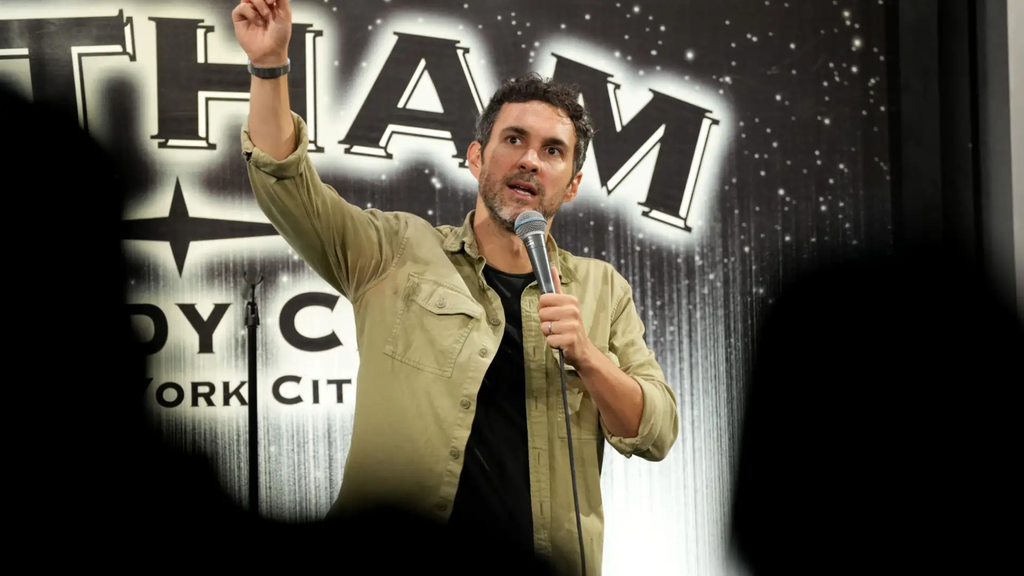
One meaningful way to compare Trevor Noah and Pedro Pizarro is through communication. Noah relies on storytelling, timing, and humor to make complex subjects accessible to a broad audience. By presenting familiar situations from unexpected perspectives, he encourages people to reconsider their assumptions.
Similarly, energy executives must explain technical information and organizational decisions to employees, regulators, investors, and communities. They need to communicate clearly about infrastructure, service reliability, and environmental priorities. Moreover, they must recognize that decisions affecting essential services can generate understandable questions and concerns.
Although these communication styles differ, both depend on clarity and audience awareness. Effective communication requires more than simply sharing information; it involves making that information understandable, relevant, and useful.
Public Recognition and Professional Influence
Trevor Noah’s career demonstrates the cultural reach that entertainment can provide. Through television, live performances, books, and public appearances, he has developed an international platform for discussing social issues and contemporary events. His influence often emerges through the way audiences interpret the subjects he addresses.
Pedro Pizarro’s influence operates through a different channel. His work in the energy industry connects to organizational performance, infrastructure planning, and the challenges of providing dependable electricity. Although these responsibilities may receive less attention from general entertainment audiences, they remain important to communities and businesses.
Therefore, public visibility should not be treated as the only measure of professional significance. A recognizable entertainer can shape cultural conversations, while an executive can influence systems that support daily life. Both forms of impact deserve to be understood within their appropriate contexts.
What Their Careers Reveal About Modern Leadership
The professional experiences of Noah and Pizarro highlight several qualities that matter across different industries. Adaptability is one example. Entertainers must respond to changing audiences and media environments, whereas energy executives must prepare for technological change, evolving regulations, and shifting expectations about sustainability.
Another important quality is credibility. Noah’s continued relevance depends partly on his ability to connect observations with engaging storytelling. In the energy sector, credibility depends on professional judgment, organizational performance, and responsible decision-making.
Furthermore, both fields demonstrate the importance of understanding wider social circumstances. Entertainment does not exist separately from culture, and energy management cannot be separated from the needs of the communities it serves. In different ways, both careers reveal how professional decisions intersect with broader public concerns.
Is There a Connection Between Trevor Noah and Pedro Pizarro?
The appearance of Trevor Noah and Pedro Pizarro in the same search phrase may lead readers to wonder whether the two have a direct relationship. However, their names appearing together does not establish a personal connection, business partnership, or shared professional project.
Their publicly known careers belong to different sectors, and no widely documented collaboration between them is established here. Accordingly, it is more accurate to examine their professional backgrounds separately and compare their broader significance without suggesting an unverified relationship.
This distinction is particularly important in online publishing. Search engines often bring together names that readers are curious about, but responsible articles must distinguish confirmed facts from interpretation. By doing so, writers can provide useful context without creating misleading narratives.
Conclusion: Different Careers, Meaningful Contributions
Trevor Noah and Pedro Pizarro illustrate two different paths to professional influence. Noah has built an international reputation through comedy, writing, and cultural commentary, while Pizarro’s career reflects the responsibilities associated with leadership in the energy industry.
Their comparison reveals that influence takes many forms. It may come through a story that changes how people understand a social issue, or through decisions that help maintain the infrastructure on which communities depend. Although these contributions differ in visibility and purpose, both demonstrate the importance of expertise, communication, and responsibility.
Ultimately, the careers of Trevor Noah and Pedro Pizarro provide a reminder that professional achievement cannot be measured through public recognition alone. Understanding an individual’s work, the challenges they face, and the people affected by their decisions offers a more meaningful perspective on their place in contemporary society.