Zingyzon.com in USA and the Changing Way People Search for Information
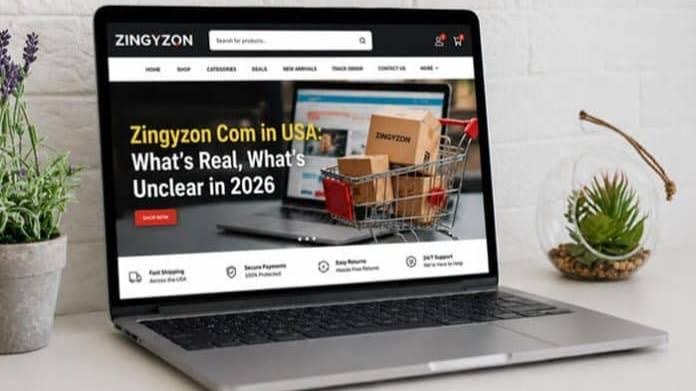
Zingyzon.com in USA reflects a broader shift in how people discover practical information online. Instead of visiting a single specialist publication for every question, modern readers increasingly expect one digital destination to cover several parts of everyday life. Zingyzon fits into this wider publishing environment through articles and guides touching on home improvement, appliances, technology, business, SEO, and digital trends. At the same time, its evolving subject range makes the platform interesting to examine because it shows how contemporary websites can develop beyond one narrowly defined editorial identity.
A Digital Platform With a Broad Editorial Identity
The most useful way to understand the website is as a content-focused publishing platform rather than assuming it represents one particular service or product. Current material associated with the site places considerable attention on home and living subjects, including appliances, gardens, kitchens, and home improvement. However, other indexed material connects the brand with technology, business, SEO, digital marketing, and online growth. Consequently, readers may encounter very different subjects during the same visit.
Why American Readers May Encounter Zingyzon
Search behavior helps explain the growing interest surrounding Zingyzon.com in USA. American internet users regularly search for practical buying information, household guidance, technology explanations, and digital-business resources before making decisions. A website that combines these subjects can therefore appeal to readers whose interests move naturally between categories. For example, someone researching a kitchen appliance may also want home-improvement advice, while a small-business owner may move from technology articles toward SEO and online marketing resources. This interconnected reading experience reflects contemporary internet habits.
Home, Appliances, and Everyday Decision-Making
One of the clearest recent themes is home-oriented content. Appliance reviews and buying guides can be particularly valuable because household purchases often involve more research than consumers initially expect. Refrigerators, ovens, dishwashers, air fryers, gardening equipment, and other products differ in features, costs, maintenance requirements, and suitability for particular households. Therefore, explanatory content can help readers understand the questions they should ask before purchasing rather than simply encouraging them toward a particular product. The current Zingyzon presentation places noticeable emphasis on this practical style of information.
Technology and Digital Life Remain Part of the Picture
Although home content has become prominent, the broader Zingyzon identity has also been connected with technology and digital subjects. Search-indexed pages associated with the name discuss subjects ranging from software and emerging technology to SEO and digital marketing. This mixture mirrors the way technology now intersects with ordinary life. People use digital tools for work, shopping, communication, entertainment, education, and household management. As a result, technology publishing no longer belongs exclusively to specialist audiences; much of it is increasingly written for ordinary users seeking straightforward explanations.
What Does “USA” Actually Mean?
The phrase Zingyzon.com in USA deserves some careful interpretation. Current sources indicate that the website specifically addresses American readers and discusses U.S.-focused content. However, being accessible to or targeting readers in the United States is not the same thing as proving that a website is headquartered in America or incorporated as a U.S. company. Available material does not clearly establish a separate U.S. corporate entity or headquarters. For that reason, readers should treat “USA” primarily as an audience or regional-content reference unless stronger business documentation is available.
The Importance of Regional Context
Regional context matters more than it might initially appear. Advice about appliances, home projects, online services, or consumer products can vary according to local regulations, electrical standards, climate, availability, pricing, and consumer expectations. Consequently, American readers should always check whether an article’s recommendations specifically apply to their state or circumstances. A general online guide can provide useful background, but it should not automatically replace manufacturer instructions, official regulations, or professional advice when those sources are more appropriate.
A Snapshot of the Platform
| Area | What current public material indicates |
|---|---|
| Main format | Multi-topic informational publishing website |
| Recent visible focus | Home, appliances, garden, and home improvement |
| Additional subjects | Technology, business, SEO, and digital marketing |
| U.S. audience | Specifically addressed in available material |
| Separate U.S. company | Not clearly established by the reviewed evidence |
| Primary purpose | Informational and editorial content |
This distinction is important because search results sometimes describe the name in significantly different ways. Some pages emphasize home and lifestyle, while others focus on technology, marketing, or travel-related material. Therefore, readers should examine the actual page and its publication context instead of assuming that every website using the Zingyzon name represents the same organization.
Why Website Identity Matters in the Search Era
The modern internet has created a strange paradox: information is easier to find, yet identifying its source can sometimes be harder. A search engine may place several similarly named websites beside one another, while third-party articles may describe the same name differently. This is especially relevant for Zingyzon because current search results include multiple domains using the name or closely related branding. Readers should therefore check the exact domain, publication date, author information, contact details, and context before treating a page as authoritative.
Reading Online Guides With a Critical Eye
That does not mean every unfamiliar website should be dismissed. Instead, readers can develop a simple habit of verification. First, identify who published the information. Next, check whether the article provides evidence or simply makes broad claims. Then compare important recommendations with primary sources such as manufacturers, government agencies, or recognized professional organizations. Finally, look at whether the article is current. This approach is useful not only for Zingyzon.com in USA but for virtually every information website encountered through search engines.
The Human Side of Practical Digital Publishing
Behind apparently simple searches are often very ordinary human decisions. A homeowner may be trying to replace an appliance without wasting money. A new gardener may want to understand seasonal maintenance. A small-business owner may be learning how search engines work. A student may be trying to understand unfamiliar technology. In each case, the value of an online guide comes from reducing confusion. That is why clear language, sensible organization, transparent sourcing, and realistic expectations matter more than simply producing a large quantity of articles.
Where the Platform Fits in the Broader Web
Zingyzon represents an increasingly common model of online publishing: a broad information hub designed to meet several related search needs. Such platforms can provide convenience because readers can explore different subjects without leaving the same publication environment. Nevertheless, breadth also creates an editorial challenge. The wider the range of topics, the more important subject expertise, source quality, updating practices, and author transparency become. In other words, a broad publishing model works best when convenience is supported by careful information standards.

What Readers Should Check Before Acting on Information
For everyday informational reading, Zingyzon can be approached as one source among many. However, readers should be especially careful when an article concerns substantial purchases, legal requirements, financial decisions, health matters, or technical safety. In those situations, primary documentation and qualified professionals may provide information that is more specific to an individual’s circumstances. Similarly, if a page makes claims about a company’s location, ownership, services, or credentials, readers should look for independent documentation rather than relying solely on promotional descriptions.
Frequently Asked Questions
What is Zingyzon.com?
Zingyzon.com appears in current web material as a multi-topic publishing platform covering areas such as home improvement, appliances, garden topics, technology, business, SEO, and digital subjects.
Is Zingyzon.com aimed at U.S. readers?
Yes. Current material specifically discusses U.S. readers and U.S.-focused content. However, this should not automatically be interpreted as proof of a U.S.-registered company or headquarters.
Is Zingyzon.com only about home improvement?
No. Although home, garden, and appliance material is prominent in current presentations, other indexed content connects the name with technology, business, SEO, and digital marketing.
Why do descriptions of Zingyzon differ online?
The name appears across multiple websites and related domains, while different pages describe different subject areas. Therefore, readers should verify the exact domain and source rather than treating every Zingyzon-branded page as belonging to one confirmed organization.
Conclusion: Understanding Zingyzon.com in USA Through Context
Zingyzon.com in USA is best understood through the changing landscape of digital publishing. Its current public footprint combines practical home and appliance material with broader interests in technology, business, SEO, and digital subjects. At the same time, the available evidence makes an important distinction: a website can actively serve American readers without that alone proving a separate American corporate identity.
Ultimately, the most useful approach is neither unquestioning trust nor automatic skepticism. Instead, readers can consider the platform for general information while checking important claims against authoritative sources. In an internet increasingly filled with overlapping names, evolving websites, and rapidly changing content, that habit of careful reading may be more valuable than any single article.