Introduction
netdesizn com immediately sounds like the kind of digital identity built around creativity, technology, and visual communication. Even the unusual spelling gives the name a distinctive character, suggesting a platform where design and digital culture might meet. In an online environment crowded with familiar brand names, originality can become an important part of recognition. Therefore, a name such as netdesizn com invites questions about identity, usability, creativity, and the evolving language of the web. Rather than viewing a digital name simply as an address, it can also be understood as part of a broader cultural story.
Why Digital Design Names Matter
A website name often becomes the first impression of an online project. Consequently, it needs to communicate something memorable before a visitor has even explored the page. netdesizn com has an unconventional structure that can make it visually distinctive, particularly in contexts where creative experimentation is valued. At the same time, unusual spelling can require stronger branding because visitors may need additional guidance to remember or reproduce the name accurately. This balance between originality and accessibility is one of the most interesting challenges facing modern digital identities.
netdesizn com and the Language of the Internet
The internet has transformed the way language is used for branding. Words are shortened, altered, combined, and sometimes intentionally misspelled to create identities that feel modern and recognizable. As a result, names such as netdesizn com belong to a wider tradition of digital experimentation. The spelling itself can become a visual feature rather than merely a grammatical variation. In an increasingly crowded online landscape, this kind of linguistic creativity can help a brand establish a personality while reflecting the informal, fast-moving character of internet culture.
Design Beyond Decoration
Modern digital design is no longer simply about attractive colors, graphics, or typography. Instead, effective design brings together appearance, functionality, accessibility, and communication. A successful platform should help visitors understand where they are, what they can do, and why the content matters. From that perspective, the ideas associated with netdesizn com can be considered through the larger evolution of web design. Interfaces have gradually moved from static pages toward interactive experiences where usability and visual storytelling work together to shape how people understand digital information.
The Human Side of Digital Creativity
Behind every website is a human decision about how information should be presented. Designers think about attention, emotion, movement, hierarchy, and clarity. Meanwhile, users bring their own expectations and habits to every digital interaction. This makes web design partly technical and partly psychological. A thoughtfully designed platform can make information feel welcoming rather than overwhelming. Therefore, the broader significance of netdesizn com lies not only in the concept of design itself, but also in the relationship between creators and audiences that digital design makes possible.
Building Trust Through a Digital Identity
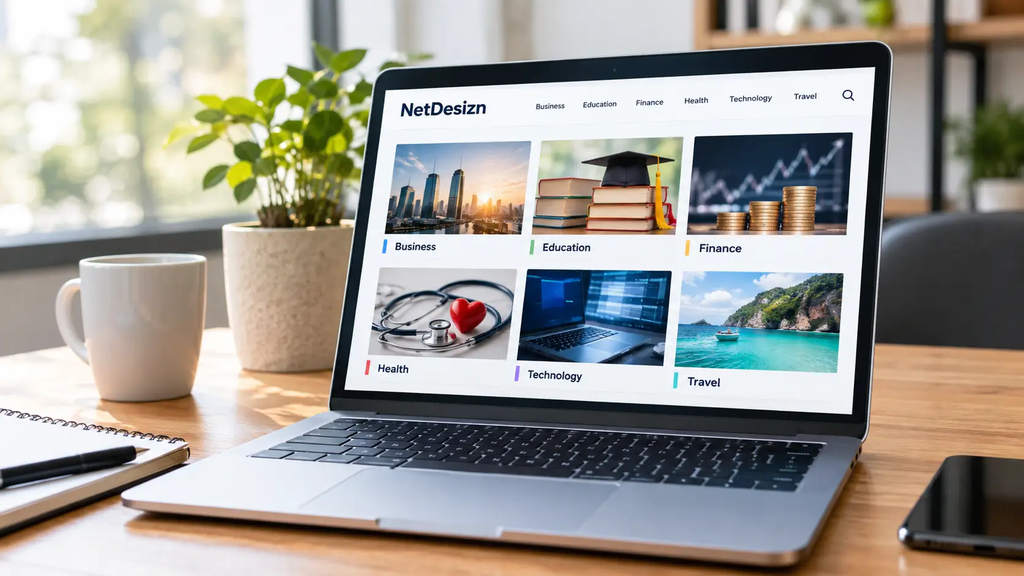
A memorable name can attract attention, but trust develops through consistency. Visitors generally expect a website to be clear, functional, transparent, and professionally maintained. Consequently, visual identity should work alongside reliable navigation, readable content, appropriate security practices, and accurate information. For a distinctive name like netdesizn com, consistency becomes especially important because the brand needs to connect its unusual identity with a recognizable experience. When those elements work together, a digital name can gradually become more than a label and instead develop into a meaningful brand.
Creativity in an Increasingly Automated Web
The rise of artificial intelligence and automated design tools has changed the creative industry considerably. Today, designers can generate layouts, images, writing, prototypes, and other digital materials much faster than before. However, speed does not automatically produce meaningful communication. Human judgment remains essential for understanding context, culture, audience expectations, and emotional nuance. This is why the future of digital design will probably involve collaboration between automated tools and creative professionals rather than a simple replacement of one by the other. The strongest identities will continue to depend on thoughtful ideas.
What Makes a Digital Design Platform Memorable?
Several qualities can help a design-oriented digital identity stand out:
| Element | Why It Matters |
|---|---|
| Distinctive identity | Helps audiences remember the platform |
| Clear navigation | Makes information easier to discover |
| Consistent visual language | Builds recognition and trust |
| Useful content | Gives visitors a reason to return |
| Responsive experience | Supports different devices and screen sizes |
These qualities are interconnected. A beautiful interface can still fail if visitors cannot find what they need, while excellent information can lose impact when it is presented through a confusing interface. Thus, good digital design depends on balance rather than one isolated feature.
The Cultural Meaning of Web Design
Web design reflects the culture in which it develops. Early websites often emphasized information density and technical novelty, whereas contemporary platforms frequently prioritize simplicity, speed, personalization, and visual storytelling. Meanwhile, global audiences have made digital design increasingly multicultural. Symbols, colors, typography, imagery, and language can carry different meanings across communities. As a result, designers must think beyond purely aesthetic decisions. The broader conversation surrounding netdesizn com can therefore be connected to a much larger question: how should digital spaces communicate effectively with increasingly diverse audiences?
A Conversation About the Future of Design
Imagine a quiet design studio in the early evening, with screens glowing across a desk while a designer reviews an unfinished interface. The conversation turns toward what websites should feel like in the coming years.
Q: Is visual appearance still the most important part of web design?
A: Not by itself. Appearance creates an initial impression, but usability determines whether people actually enjoy the experience.
Q: Has artificial intelligence changed the designer’s role?
A: Certainly. Designers can now experiment faster, but they still need to decide which ideas are appropriate and meaningful.
Q: What makes a digital brand memorable?
A: Consistency. A recognizable name, visual identity, tone, and user experience reinforce one another.
Q: Can unusual spelling help a website stand out?
A: Yes, although memorability needs to be balanced with clarity. A distinctive name works best when audiences can understand and recall it.
Q: Where is digital design heading next?
A: Toward experiences that are more adaptive, accessible, interactive, and personalized while remaining human-centered.
The Continuing Importance of Human-Centered Design
Technology changes quickly, yet people continue to value clarity and connection. Consequently, the most successful digital experiences are likely to remain those that understand human behavior rather than focusing exclusively on technological possibilities. Whether a platform is a portfolio, publication, creative community, or commercial service, its long-term value depends on how effectively it serves its audience. In this context, netdesizn com represents an interesting example of how a distinctive digital identity can prompt a wider discussion about creativity, communication, and the changing character of the web.
Conclusion
netdesizn com can be viewed as more than an unusual digital name. It reflects several themes that define contemporary online culture: experimental language, visual identity, technological change, and the continuing importance of human creativity. Moreover, its design-oriented character provides an opportunity to consider how websites have evolved from simple information pages into complex experiences. Ultimately, successful digital design is not measured only by how impressive a website looks. It is measured by whether people understand it, trust it, remember it, and find genuine value in returning.