Introduction
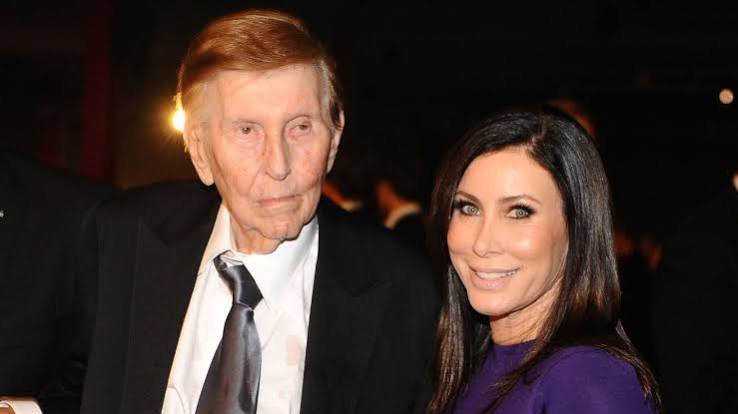
Tim Dove and Shari Redstone occupy very different positions in the public imagination, yet their names can appear together in discussions surrounding media, entertainment, leadership, and corporate influence. Redstone is a highly visible business executive and the chair of Paramount Global, while Dove has been associated with the broader corporate and entertainment ecosystem. Understanding Tim Dove and Shari Redstone therefore requires looking beyond the surface of two names and considering the professional networks, institutional relationships, and changing power structures that shape the modern media industry.
Shari Redstone: A Defining Figure in Modern Media
Shari Redstone has become one of the most recognizable figures in American entertainment business leadership. As the daughter of the late media magnate Sumner Redstone, she inherited a connection to one of the industry’s most influential families. However, her career has increasingly been defined by her own decisions, particularly through her role in guiding National Amusements and Paramount’s corporate direction.
Over time, Redstone has been involved in some of the most consequential conversations about the future of traditional media. Television, film, streaming, advertising, and digital platforms have all undergone dramatic changes. Consequently, leadership at a company such as Paramount requires balancing legacy businesses with rapidly evolving consumer habits.
Where Tim Dove Fits Into the Story
Tim Dove is a less publicly prominent name than Shari Redstone, which makes discussions involving the two particularly dependent on context. Dove’s professional background has been connected with business and media circles, rather than the kind of celebrity-driven visibility associated with Paramount’s entertainment properties.
That distinction matters. In major media organizations, influence does not always come from the people whose names appear most frequently in headlines. Executives, advisers, board members, investors, and industry professionals can all contribute to strategic decisions. Therefore, the appearance of Tim Dove alongside Shari Redstone can be understood within the larger ecosystem of professional relationships surrounding powerful media institutions.
A Look at the Two Names
| Person | Public identity | Broader significance |
|---|---|---|
| Shari Redstone | Media executive and business leader | A major figure in Paramount and the Redstone family’s media interests |
| Tim Dove | Business and corporate professional | A comparatively private figure associated with professional media and business circles |
The contrast between the two is revealing. Redstone’s position naturally places her under sustained public scrutiny, while Dove’s comparatively lower profile illustrates how much of the media business operates away from cameras and entertainment headlines.
The Changing Meaning of Power in Entertainment
For decades, Hollywood power was often measured through ownership of studios, television networks, theaters, and distribution systems. Today, however, the equation is considerably more complicated. Streaming services have changed how audiences consume entertainment, while social media has transformed marketing and public attention.
Against this backdrop, Shari Redstone’s career represents a broader transition in the entertainment business. Paramount’s traditional assets remain valuable, but the company must also compete in an environment shaped by technology companies, changing viewing habits, and international audiences.
People working around this environment, including executives and business professionals such as Tim Dove, operate within a much larger network of commercial relationships. As a result, understanding individual names often requires understanding the institutions around them.
Why Shari Redstone Draws So Much Attention
Redstone’s public profile is partly explained by her family history, but it is also connected to the strategic importance of the businesses she oversees. Paramount represents a substantial collection of entertainment properties, including film production, television, and streaming interests.
Moreover, the Redstone family’s history makes corporate developments especially interesting to business observers. Sumner Redstone built a remarkable media empire, and Shari eventually became a central figure in determining how that legacy would evolve.
Her leadership has consequently been examined through two lenses: the continuation of a family business legacy and the challenge of adapting that legacy to a completely different media landscape.

Professional Relationships Behind Corporate Headlines
Media stories frequently simplify complicated corporate relationships. A headline may mention two executives together, but the underlying connection can involve years of professional association, negotiations, institutional relationships, or shared business interests.
That is why it is important not to assume that two names appearing together automatically indicate a personal relationship. In the case of Tim Dove and Shari Redstone, responsible discussion should distinguish documented professional connections from speculation.
This approach is especially important when discussing people who maintain relatively private professional lives. Public interest does not necessarily mean that every aspect of an individual’s life is publicly established.
The Human Side of a Powerful Industry
Behind billion-dollar transactions and famous entertainment brands are people making decisions under considerable pressure. Executives must consider employees, shareholders, audiences, creators, advertisers, and technological disruption simultaneously.
For Shari Redstone, that responsibility has been intensified by the visibility attached to her family name. Every major strategic decision can be interpreted as part of the larger Redstone legacy.
Meanwhile, professionals who operate with less public attention experience a different kind of influence. Their contributions may be important without becoming part of popular culture. Tim Dove’s comparatively lower public profile illustrates this quieter side of corporate life.
What Their Association Says About Modern Media
The broader significance of Tim Dove and Shari Redstone lies less in celebrity intrigue and more in what their names can reveal about professional networks. Modern entertainment is built through relationships between executives, investors, companies, advisers, and creative organizations.
Furthermore, these networks have become increasingly complicated as traditional media companies compete with technology platforms and global streaming businesses. Decisions made in corporate offices can ultimately influence what audiences watch, how content is distributed, and which entertainment brands remain culturally relevant.
In that sense, examining figures surrounding major media leaders provides a useful reminder: the entertainment industry is not driven by performers alone. It is also shaped by people working behind the scenes.
A Broader Perspective on Media Leadership
Shari Redstone’s story reflects the transformation of media leadership from traditional family-controlled businesses toward increasingly complex corporate structures. The industry now demands technological awareness, financial discipline, international thinking, and an understanding of audience behavior.
At the same time, people such as Tim Dove represent the broader professional environment in which these decisions take place. Not every influential business figure becomes a household name, and not every important relationship is visible to the public.
Ultimately, that distinction makes the subject more interesting rather than less. The world of media power is populated not only by famous executives but also by a much larger community of professionals whose work rarely receives the same attention.
Conclusion
Tim Dove and Shari Redstone provide an interesting lens through which to consider the less visible architecture of the modern entertainment industry. Redstone stands prominently within the public conversation because of her leadership role, family legacy, and involvement in major media decisions. Dove, by contrast, represents the quieter professional side of an industry where influence frequently exists beyond public recognition.
Ultimately, their significance is best understood through the larger story of media transformation. As entertainment companies navigate streaming, technological disruption, changing audiences, and new forms of corporate competition, professional networks will continue to matter. The names appearing around major institutions may change, but the underlying lesson remains: behind every highly visible media empire is a complex web of people, decisions, and relationships.